
Handrail Fabrication Is Becoming a Branding Element for Commercial Buildings
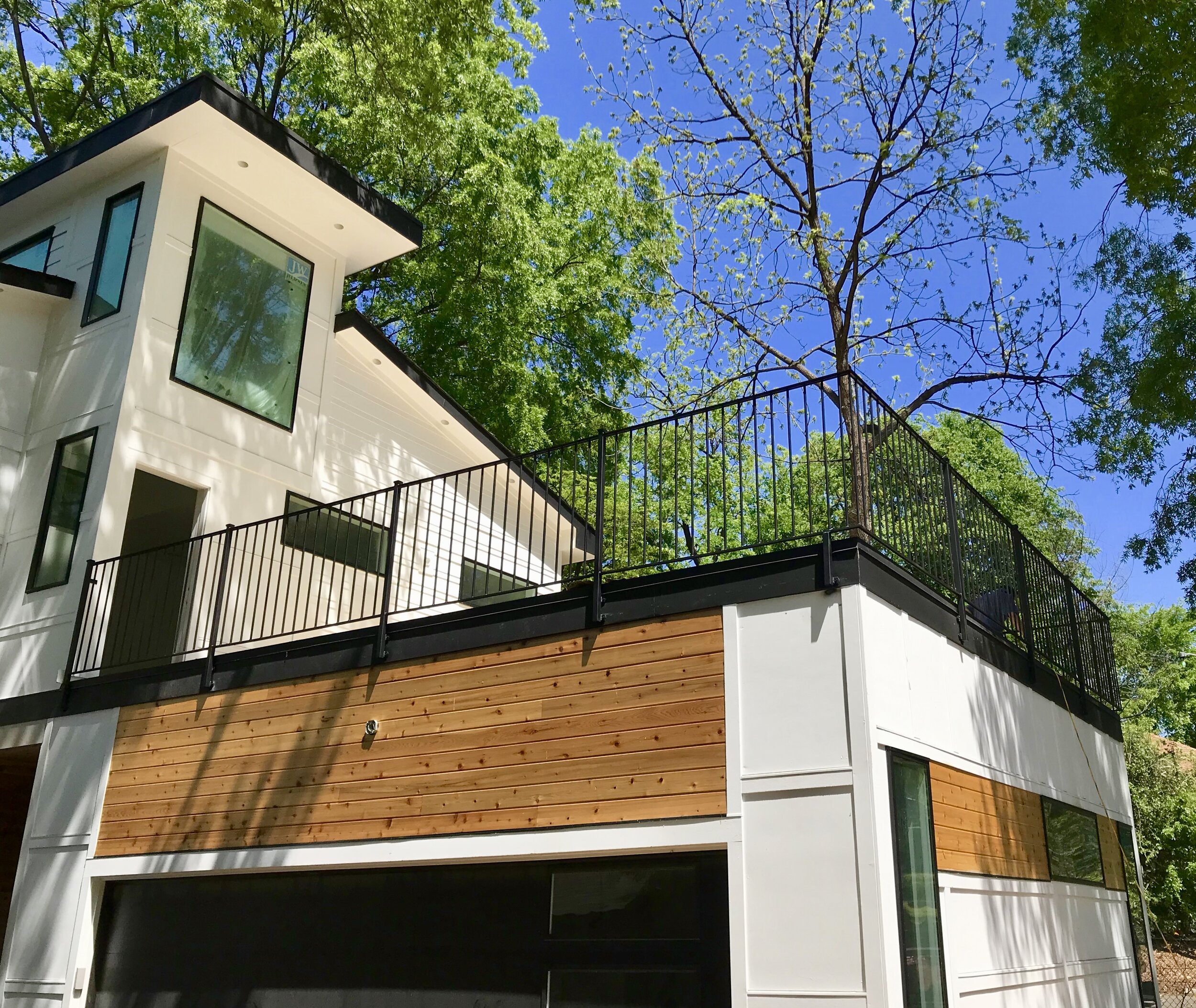
Handrails used to be purely functional. They were there to meet code, guide foot traffic, and stay out of the spotlight. That’s no longer the case.
In modern commercial spaces, even the smallest architectural details are being used to communicate brand identity. Handrails are now part of that conversation. From material choice to custom finishes, they help shape how a space feels the moment someone walks in.
What was once background infrastructure has become a visible design feature. As branding moves beyond logos and signage, handrail fabrication is quietly stepping into a more strategic role.
How does handrail fabrication contribute to the overall brand identity of commercial buildings?
Brand identity isn’t just about colors and logos. It’s about consistency, tone, and experience. Handrails contribute more than people realize.
Handrail fabrication supports brand identity by:
Reinforcing architectural style
Reflecting material preferences
Supporting brand personality
Creating visual continuity
Elevating perceived quality
Adding intentional design detail
Aligning safety with aesthetics
A sleek metal handrail with clean lines sends a very different message than a warm wood design or an industrial steel finish. Those choices communicate whether a brand feels modern, refined, bold, or approachable.
In commercial spaces, people notice details subconsciously. A well-designed handrail suggests thoughtfulness and quality. When design elements feel intentional instead of generic, they reinforce trust in the brand. Handrails become part of the visual language of the building, supporting the story the brand wants to tell without saying a word.
Why are custom fabricated handrails increasingly used in modern commercial architecture?
Standard solutions no longer fit the expectations of modern commercial design.
Custom fabricated handrails are growing in popularity because they:
Fit unique building layouts
Allow material and finish flexibility
Meet both design and code requirements
Integrate with architectural features
Support creative expression
Avoid mass-produced appearances
Enhance overall project value
Modern buildings often feature open staircases, curved lines, or mixed materials. Off-the-shelf handrails rarely complement these designs. Custom fabrication allows architects and designers to maintain their vision without compromise.
Custom handrails also offer durability and precision. They’re built for the space, not adapted to it. That level of detail matters in high-traffic commercial environments. As buildings become more brand-driven, custom fabrication ensures that functional elements don’t interrupt the design. Instead, they enhance it.
What role do design-focused handrails play in shaping customer perception of commercial spaces?
First impressions happen fast, and customers notice more than they realize.
Design-focused handrails influence perception by:
Making spaces feel polished
Supporting a premium atmosphere
Signaling attention to detail
Enhancing comfort and safety
Creating visual flow
Reinforcing brand values
Elevating overall experience
When handrails feel thoughtfully designed, they contribute to how welcoming and professional a space feels. In retail, hospitality, healthcare, and office environments, that perception matters.
Customers may not consciously think about the handrail, but they feel its impact. A sturdy, well-crafted design builds confidence. A visually appealing one adds to the environment instead of distracting from it. These details help create spaces people trust and enjoy being in. Over time, that positive experience becomes associated with the brand itself.
How do branded handrail designs align with architectural trends in commercial construction?
Commercial architecture is shifting toward spaces that feel intentional, open, and human-centered.
Branded handrail designs align with trends such as:
Minimalist aesthetics
Mixed material usage
Exposed structural elements
Seamless indoor-outdoor transitions
Sustainability-focused design
Custom detailing
Experience-driven architecture
Handrails are now designed to complement glass walls, open staircases, and natural light. They often use materials that reflect sustainability goals or industrial influences. Instead of hiding structural elements, designers highlight them.
Branded handrails fit into this approach by blending safety with style. They don’t interrupt the architecture. They become part of it. As buildings move away from cookie-cutter designs, handrails evolve alongside them. The result is a space where even functional elements support the overall design story.
Turn Functional Details Into Brand Statements
At Master Fabrication, we believe handrails should do more than meet code. They should support the identity and vision of the spaces they serve. We work closely with architects, builders, and designers to create custom fabricated handrails that blend safety, durability, and style. Our team understands how small details make a big impact in commercial environments.
When you partner with us, you’re choosing craftsmanship that enhances your brand, strengthens your design, and stands the test of time.