
How Charlotte’s Humidity Affects Exterior Metal Railings
Charlotte's humid summers and frequent rainfall can take a toll on exterior metal railings, especially when moisture collects around joints, posts, or damaged finishes. You may notice small rust spots near your porch steps or peeling paint along a railing that looked perfectly fine a few months earlier.
These problems do not always mean your railing needs replacing. Often, the first signs of moisture damage are manageable when caught early. Knowing where water collects, what changes to look for, and when to have your railing inspected can help you protect it for years to come.
Quick Answer: How Does Humidity Affect Exterior Metal Railings?
Charlotte's humidity can contribute to corrosion on exterior metal railings by allowing moisture and condensation to remain on exposed surfaces. Steel and iron railings are particularly vulnerable when protective finishes become damaged. Regular inspections, proper drainage, and timely repairs can help prevent moisture-related deterioration. The level of risk depends on the railing material, coating condition, and amount of outdoor exposure.
How Humidity and Condensation Affect Metal
Humidity refers to the amount of water vapor in the air. When the air contains significant moisture, metal railings may stay damp longer, especially in shaded areas or locations with limited airflow.
However, humidity alone does not automatically cause a properly protected railing to rust. Problems become more likely when moisture reaches exposed metal or remains trapped against vulnerable surfaces.
Condensation can form even without rain
Have you ever noticed water droplets on your porch railing early in the morning, even though it did not rain overnight?
That moisture may be condensation.
When a metal surface cools below the surrounding air's dew point, water vapor can collect on it as droplets.
In Charlotte, this can happen during humid mornings or after temperature changes overnight.
If your railing has scratches, exposed welds, or damaged coating areas, repeated condensation can contribute to corrosion.
Shaded areas may remain damp longer
An exterior railing that receives direct sunlight may dry relatively quickly after rain or morning condensation.
A railing beneath a covered porch, surrounded by vegetation, or positioned in a shaded corner may stay damp longer.
This does not mean covered railings are necessarily more vulnerable than fully exposed ones. It means that drying conditions matter alongside the amount of water the railing receives.
For steel and iron railings, prolonged surface moisture increases the importance of maintaining a sound protective finish.
Why Finish Protection Matters in Charlotte’s Climate
The finish on an exterior metal railing serves two purposes. It provides the appearance you want while helping protect the underlying material from outdoor conditions.
For steel and wrought iron railings, this protective barrier is particularly important because exposed metal can corrode when moisture and oxygen are present.
Depending on the railing system, protection may include exterior-grade paint, powder coating, galvanizing, or a combination of treatments.
A properly selected and applied finish helps limit moisture contact with the underlying metal.
However, no coating is completely resistant to damage.
Everyday wear, accidental impacts, poor surface preparation, or prolonged exposure can eventually create weak points.
Small coating damage can become a larger problem
A minor chip near a railing post may not look concerning at first.
If moisture reaches the exposed steel, corrosion can begin beneath or around the damaged area.
Over time, the coating may blister or lose adhesion as corrosion develops underneath.
This is why checking the condition of the finish matters as much as choosing a durable railing material.
For Charlotte homeowners, the goal is to identify coating damage before repeated exposure makes the problem more difficult to repair.
How Rain and Drainage Can Affect Railing Durability
Humidity is only part of the moisture exposure exterior railings experience.
Rainwater, roof runoff, and nearby landscape irrigation can also affect how long railing surfaces remain wet.
Some railings are installed in locations where water drains away naturally. Others have areas where moisture can collect.
Water collecting around post bases
Post bases deserve particular attention because they are exposed to moisture from surrounding surfaces.
For example, a railing post installed on concrete steps may sit near an area where rainwater collects after a storm.
If water repeatedly pools around the mounting plate, damaged finishes and exposed connections may experience more corrosion.
Poor drainage around railing connections
Horizontal surfaces, crevices, and certain railing joints may hold water longer than open vertical sections.
Debris can make this worse by preventing water from draining or drying properly.
Leaves, dirt, and organic buildup may also trap moisture against the finish.
Roof runoff and sprinklers
A railing located beneath a roof edge or near a sprinkler head may receive frequent water exposure even when the rest of the structure stays relatively dry.
Repeated wetting can shorten the time available for the railing to dry between exposures.
If you notice water consistently collecting around your railing, investigate the source rather than treating the finish alone.
A protective coating works best when the railing's design and surrounding surfaces allow water to drain away.
Avoid drilling drainage holes or modifying railing connections yourself. Changes to structural or fabricated components should be evaluated by a qualified professional.
What Areas of an Exterior Railing Should Be Inspected?
Not all parts of a railing experience moisture exposure in the same way.
Certain locations deserve closer attention because they contain connections, edges, or surfaces where water may accumulate.
When checking your exterior railing, focus on these areas:
Post bases and mounting plates: Look for moisture buildup, rust staining, or changes in the coating around the connection to the steps, porch, or deck.
Welded joints: Examine areas where railing sections connect. Small cracks or gaps in the finish may allow moisture to reach exposed steel.
Handrail connections: Check where handrails meet posts, walls, or other railing sections.
Undersides of horizontal components: These areas can be overlooked during routine cleaning and may remain damp longer.
Fasteners and hardware: Look for corrosion around visible screws, bolts, and mounting points.
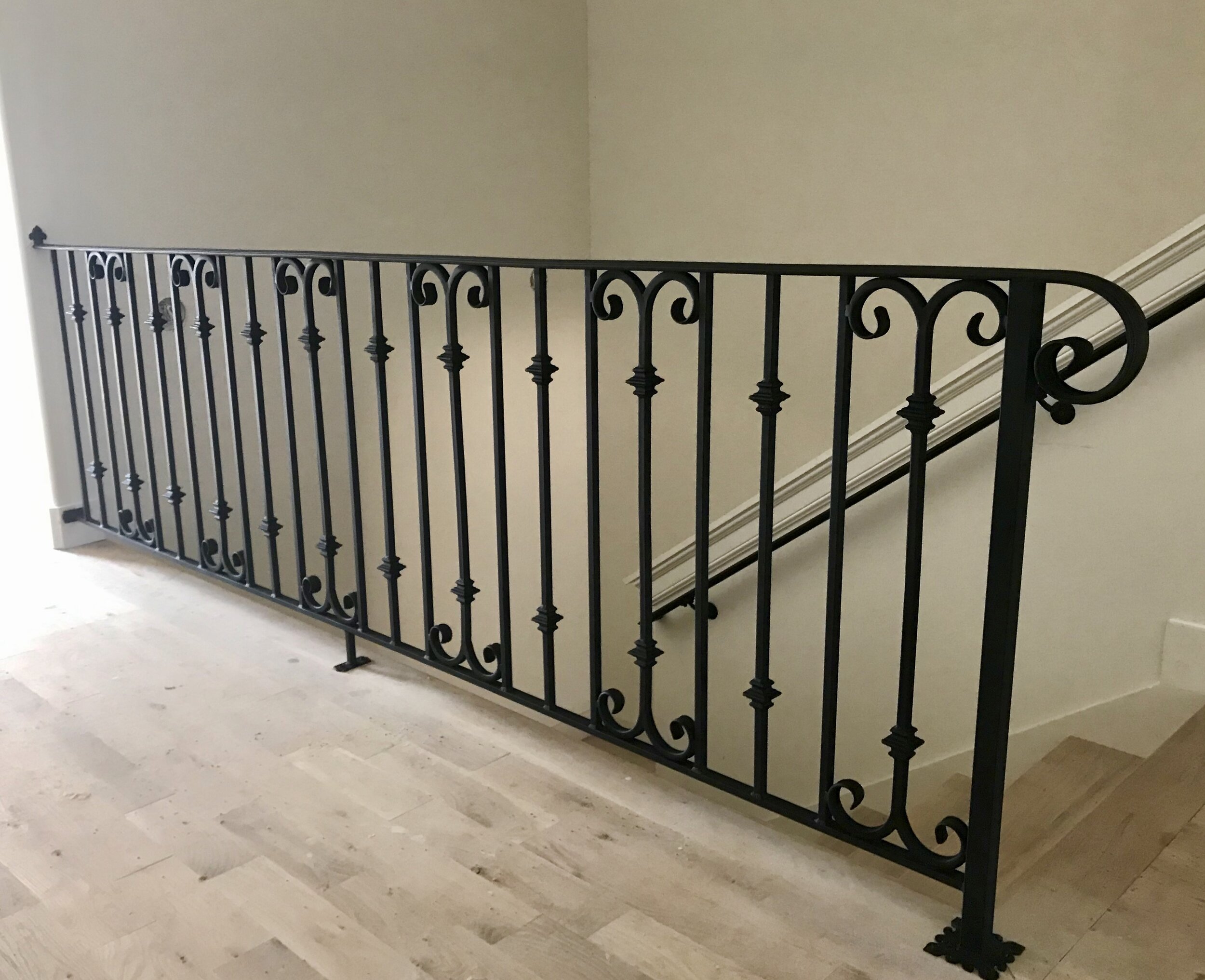
Decorative metal details: Scrollwork and other ornamental features can have narrow spaces where dirt and moisture collect.
You do not need specialized equipment to notice many early warning signs.
A visual inspection from a safe, accessible position is often enough to identify areas that need professional attention.
If a railing is elevated or difficult to access, avoid leaning over it or placing additional weight on components that may be damaged.
What Signs of Finish Failure Should Homeowners Watch For?
Finish deterioration often begins with small changes in appearance.
Recognizing these signs can help you determine whether the railing needs minor attention or a more thorough professional assessment.
Rust spots or reddish-brown staining
Rust may appear around scratched surfaces, post bases, or welded connections.
Small rust-colored spots can indicate that moisture has reached exposed steel.
However, rust-colored staining may also come from nearby metal hardware, so the actual source should be identified.
Peeling or blistering paint
Paint that begins lifting or forming bubbles may indicate that moisture has affected the coating's adhesion.
If corrosion is developing beneath the surface, applying another coat of paint without addressing the underlying issue may not resolve the problem.
Cracks or chips in the finish
Even small breaks in the protective surface can create an entry point for moisture.
Pay attention to areas where the coating appears damaged after impacts or normal use.
Changes around hardware
Visible corrosion around fasteners, mounting plates, or welded connections deserves closer attention.
These areas can affect more than appearance if deterioration progresses.
Loose or unstable sections
Movement, looseness, or visible deterioration around supporting posts should not be treated as a cosmetic finish issue.
These conditions may indicate a problem with the railing's attachment or structural integrity.
If the railing moves unexpectedly or no longer feels secure, stop relying on it for support until it has been assessed.
How Often Should Exterior Railings Be Checked?
There is no single inspection schedule that works for every exterior metal railing.
A railing's maintenance needs depend on its material, finish condition, installation location, and exposure to rain and humidity.
For example, a steel railing on an uncovered staircase may require more frequent attention than an aluminum railing installed beneath a well-protected porch.
Rather than following a rigid schedule, consider inspecting your railing when conditions make moisture-related problems more likely.
Useful times include:
After periods of frequent or heavy rainfall
Following severe storms that may have damaged the finish
When you notice persistent moisture around posts or connections
After nearby landscaping or construction work
When new rust stains, peeling, or loose components appear
You can also include a quick visual check during regular outdoor home maintenance.
The purpose is not to inspect every connection after each rainy day. It is to recognize developing problems before they become more extensive.
Always follow any maintenance or inspection recommendations provided by the railing manufacturer or installer.
What Maintenance Can Help Protect Metal Railings?
Protecting your exterior metal railing does not necessarily require extensive maintenance.
A few practical habits can help reduce unnecessary moisture exposure and make early signs of damage easier to identify.
Keep debris from collecting around the railing
Leaves, dirt, and other debris can hold moisture against railing surfaces.
Removing buildup around post bases, corners, and decorative features helps these areas dry more effectively.
Pay attention to drainage
After rainfall, check whether water drains away from the railing or collects around its supports.
If puddling occurs repeatedly, the surrounding drainage or grading may need attention.
Prevent unnecessary water exposure
Check whether sprinklers regularly spray the railing or whether roof runoff is directed toward its connections.
Adjusting the water source, where practical, may reduce repeated wetting.
Clean surfaces using suitable products
Gentle cleaning can remove dirt and deposits that contribute to moisture retention.
Use products recommended for the railing's material and finish. Abrasive tools or harsh chemicals may damage protective coatings.
Address finish damage promptly
Small chips and scratches should be evaluated before corrosion spreads.
The correct repair method depends on the material, original coating, and extent of deterioration.
Avoid applying random paint products over rust or damaged coatings. An incompatible repair may fail prematurely or conceal an underlying problem.
Maintenance should focus on preserving the railing's protective system, not simply making the surface look clean.
When Should You Call a Railing Professional?
Some exterior railing problems can be managed through basic maintenance, but others require professional evaluation.
A small amount of surface dirt is usually not a reason to schedule a repair. However, visible corrosion, damaged connections, or instability should not be ignored.
Consider contacting a railing professional when:
Rust repeatedly returns after previous repairs.
Corrosion appears around welded joints or mounting plates.
Large sections of coating are peeling or blistering.
A railing post moves or feels unstable.
Fasteners or connections show significant deterioration.
Moisture damage appears to be spreading beneath the finish.
You are unsure whether the railing remains safe to use.
The contractor can assess whether the issue is limited to the protective finish or whether the railing itself needs repair.
Depending on the condition, the appropriate solution may involve localized repairs, replacing damaged components, or installing a new railing.
Not every rust spot requires replacing the entire system. However, structural deterioration should be addressed before the railing is used for support.
Exterior Metal Railings in Charlotte, NC
Charlotte homeowners experience warm, humid summers, regular rainfall, and seasonal temperature changes.
These conditions make moisture management an important consideration for exterior metal railings.
The level of exposure can vary considerably from one property to another.
For example, a front porch railing exposed to wind-driven rain may experience different conditions from a backyard railing partially protected by a roof.
Similarly, railings along open deck steps may dry differently from those installed beside shaded landscaping.
These differences affect how homeowners should approach maintenance.
A railing's material also matters. Unprotected steel and wrought iron can develop reddish-brown rust, while aluminum and stainless steel have different corrosion characteristics and maintenance needs.
Selecting the right material and finish during installation can help reduce future concerns.
Protect Your Exterior Railings With Master Fabrication
At Master Fabrication, we provide custom exterior metal railing services for homeowners and businesses throughout Charlotte, NC, and surrounding areas.
Our work includes wrought iron railings, aluminum railing options, porch and balcony railings, and custom metal fabrication.
We understand that exterior railings need to look good while providing dependable support in outdoor conditions.
Whether you are planning a new porch railing, replacing an aging metal railing, or concerned about deterioration around an existing installation, we can help you discuss the condition of your project and available options.
Our in-person consultations allow us to evaluate your railing requirements, discuss material choices, and consider the installation environment.
Contact Master Fabrication today to discuss your exterior metal railing project in Charlotte, NC.
FAQs About Humidity and Metal Railings
Can humidity cause wrought iron railings to rust?
Yes. Moisture in humid air can contribute to corrosion when it reaches exposed iron or steel. Proper protective finishes help reduce this risk, particularly when the railing experiences repeated condensation or rainfall.
Do covered porch railings need protection from humidity?
Yes. Covered railings may receive less direct rain, but they can still experience humidity, condensation, and wind-driven moisture. Their finish should be appropriate for outdoor exposure.
Why does rust appear around metal railing posts?
Rust may develop when water accumulates around post bases, mounting plates, or damaged connections. The cause may involve coating damage, moisture retention, or exposed steel hardware.
Does powder coating prevent rust on exterior railings?
A properly specified and applied powder coating can help protect metal from moisture, but it does not make the railing completely immune to corrosion. Damage to the coating or unsuitable surface preparation can reduce its protective performance.
Is aluminum railing better for humid climates?
Aluminum does not develop the reddish-brown rust associated with iron and steel, but it can still corrode under certain conditions. Its suitability depends on the alloy, finish, installation environment, and design requirements.
Should I replace my exterior railing if I notice rust?
Not necessarily. Small areas of surface corrosion may be repairable. However, extensive rust, damaged connections, or loose posts may require more substantial repairs or replacement. A professional assessment can help determine the safest approach.