
Why Stair Railing Measurements Matter Before Ordering Materials
Ordering new stair railings may seem straightforward until you realize how much the measurements affect the materials you need. A small mistake in the stair angle, railing length, or baluster spacing can lead to parts that do not fit properly.
Whether you are replacing old wooden balusters or planning a custom metal railing, accurate measurements help prevent wasted materials, unexpected costs, and installation delays. Before placing an order, it is worth knowing which details matter and why having your staircase professionally measured can make the project easier.
Why Do Stair Railing Measurements Matter Before Ordering Materials?
Accurate stair railing measurements help ensure that the handrails, balusters, newel posts, and connecting components fit your staircase correctly. They also help determine the right quantities and materials before fabrication or installation begins.
Unlike a straight wall or flat surface, a staircase has several features that influence railing dimensions. Its slope, step configuration, and connection points all affect how the finished railing will fit.
Even staircases that appear identical may have small differences in their dimensions.
Getting these details right before ordering helps you:
Avoid purchasing too many or too few materials.
Reduce the risk of ordering incorrectly sized components.
Plan consistent baluster spacing.
Identify where railing sections begin, end, or change direction.
Minimize unexpected adjustments during installation.
Make more informed decisions about custom railing designs.
Accurate measurements also allow your railing contractor to assess whether the proposed design is suitable for the existing staircase.
What Measurements Are Needed for a Stair Railing Project?
Several measurements are typically needed to determine which railing components will work with your staircase.
The exact information depends on whether you are replacing individual balusters, keeping an existing handrail, or installing a completely new railing system.
Important measurements include:
Staircase length: The distance covered by the stair run helps establish the required railing length. The length along the slope is different from the horizontal distance.
Stair angle: The slope determines how certain railing components must be positioned, connected, or cut.
Railing height: The height of the finished railing must be evaluated against applicable building requirements.
Baluster spacing: The available space between posts and the dimensions of each baluster affect how many are needed.
Newel post positions: The locations of structural posts influence railing lengths and connection points.
Landing dimensions: Flat sections and areas where the stairs change direction require separate consideration.
Measurements may also need to account for existing trim, flooring, mounting surfaces, and the type of railing being installed.
For homeowners, the goal is not necessarily to calculate every dimension themselves. It is to recognize that material quantities depend on more than the number of steps.
How Does Stair Angle Affect Railing Components?
The angle of your staircase influences the length, position, and fit of several railing components.
A steeper staircase has a different slope from one with shallower steps. That difference affects how the handrail follows the stairs and how individual components connect.
For example, a railing designed for one stair angle may not fit another without modifications.
Stair angle can affect:
Handrail length: The railing follows the slope rather than simply covering the horizontal distance.
Baluster connections: The ends of certain balusters may require cuts or fittings suited to the railing angle.
Railing transitions: Connections between sloped and level sections may require specific fittings.
Custom fabrication: Metal railing sections may need to be fabricated to match the actual staircase dimensions.
This becomes particularly important when ordering pre-cut materials or custom metal components.
At Master Fabrication, we work with different railing styles, including wrought iron and metal railings. Accurate stair dimensions help determine how these components should fit the existing structure before materials are prepared.
Why Is Baluster Spacing Important?
Balusters are the vertical components that fill the space between the handrail and the stairs or floor.
Their spacing affects both the appearance and safety of your railing.
If the gaps are inconsistent, the finished railing may look uneven. More importantly, openings that are too large may fail to meet applicable building code requirements.
Proper material planning considers the width of the balusters, the available railing space, and the placement of nearby posts.
Spacing affects material quantities
Two staircases with similar railing lengths may require different numbers of balusters depending on the selected design.
For example, narrow decorative iron balusters may have different spacing requirements from wider ornamental designs.
The quantity also depends on whether the balusters are installed directly into the stair treads or along a separate base.
Decorative patterns need additional planning
Some staircases use alternating baluster styles or repeating decorative patterns.
If the total number of balusters is calculated incorrectly, the pattern may not finish evenly at the top or bottom of the staircase.
Professional measurement helps establish a layout that accounts for both the design and applicable safety requirements.
How Do Newel Post Locations Affect Material Planning?
Newel posts are the larger posts that support or anchor railing sections at important points along the staircase.
They are commonly found near the beginning and end of a stair run, at landings, or where the railing changes direction.
Their positions influence the length and arrangement of the surrounding railing components.
For example, moving a newel post slightly may change the available space for balusters or require a different handrail connection.
When planning a railing project, it is important to determine whether existing newel posts will remain or need replacement.
Keeping existing posts: Measurements must account for their actual positions, dimensions, and condition.
Installing new posts: Their proposed locations must be considered alongside railing design, mounting requirements, and available structural support.
A newel post should not be positioned based on appearance alone. Its location must also support a secure railing installation.
This is why post placement should be reviewed before ordering handrails or custom railing sections.
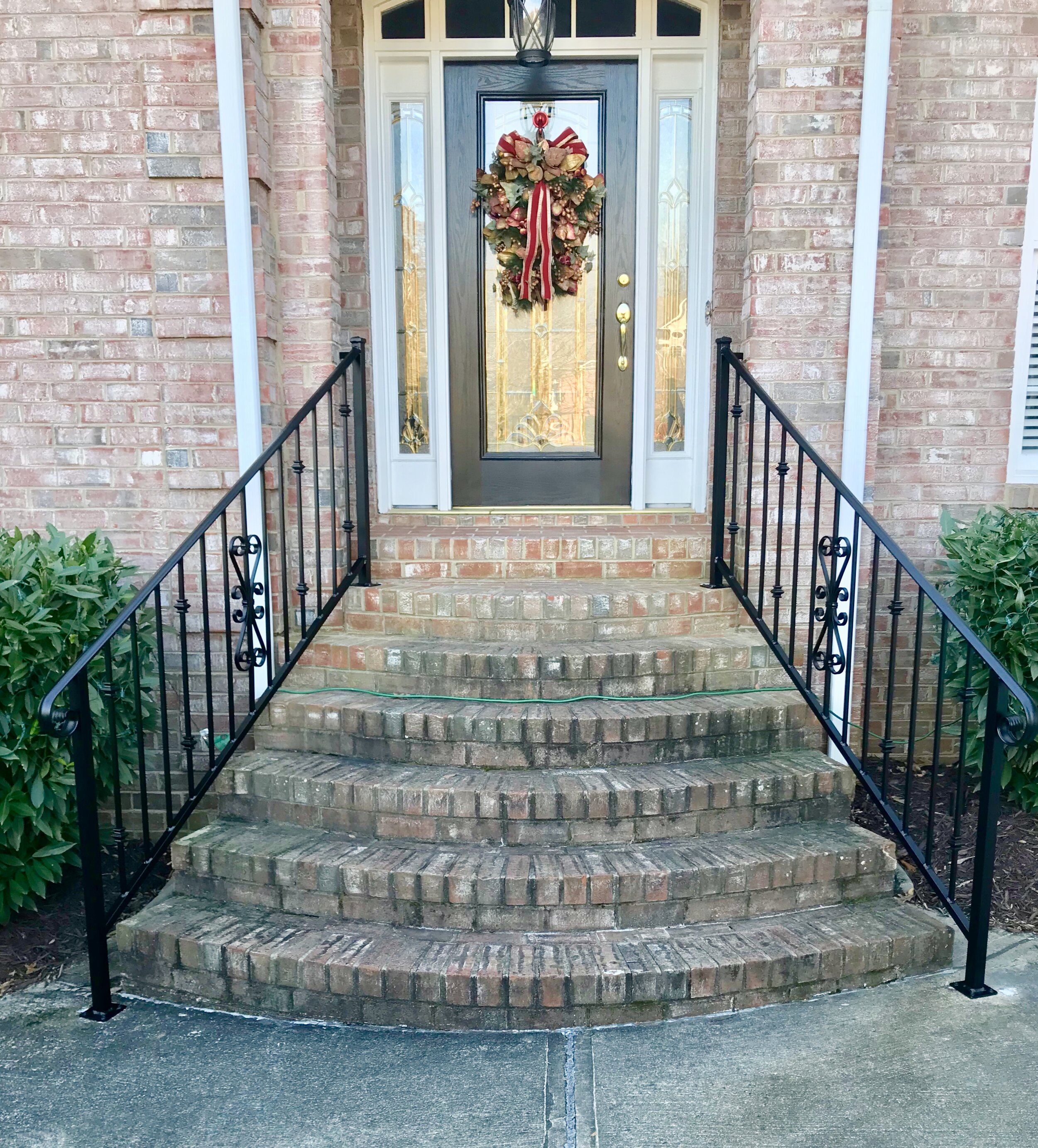
Do Landings and Straight Railing Sections Need Separate Measurements?
Yes. Stair landings and level railing sections should be measured separately from sloped sections because their dimensions and connection requirements are different.
A staircase with a landing may include multiple railing segments. One section follows the stairs, while another runs horizontally across the landing.
These sections may require different lengths, fittings, and attachment details.
The same applies to staircases that turn at a corner or include multiple flights.
For example, an L-shaped staircase may require measurements for the lower stair run, the landing, and the upper stair run. Each section has its own dimensions and connection points.
Treating the entire staircase as one continuous measurement can result in incorrect material quantities.
Separating the sections during planning helps ensure that each part is accounted for and that transitions between the railings are properly designed.
What Are the Most Common Stair Measuring Mistakes?
Stair railing measurement errors often happen because homeowners focus on the overall staircase length without accounting for the smaller details.
Some common mistakes include:
Confusing horizontal length with sloped length
Measuring straight across a stair run does not provide the same dimension as measuring along its slope. Using the wrong measurement may result in an incorrectly sized handrail.
Assuming every step is identical
Older staircases and previously remodeled homes may have variations in step dimensions. These differences can influence railing alignment.
Overlooking newel posts
Failing to account for post dimensions and positions can affect the space available for other railing components.
Estimating baluster quantities
Counting steps alone may not provide an accurate baluster quantity. The selected style, spacing, and installation arrangement also matter.
Ignoring landings and transitions
Changes in direction and level sections may require additional materials or fittings.
Measuring before planned renovations
If flooring, stair treads, or other structural details are being changed, measurements taken beforehand may no longer match the finished staircase.
These mistakes are not always obvious until installation begins, which is why verifying measurements early matters.
What Can Happen If Materials Are Ordered From Incorrect Measurements?
Incorrect measurements can create problems that affect the cost, appearance, and installation of your new railing.
One common issue is ordering components that are too short or too long. Depending on the materials, some pieces may be adjustable, while others may need to be replaced or fabricated again.
Ordering too few balusters can also interrupt installation. Additional pieces may need to be purchased, potentially delaying the project.
Other consequences include:
Unexpected expenses: Replacement materials, additional fabrication, and extra labor can increase the overall cost.
Installation delays: Work may need to stop while correctly sized components are sourced.
Poor alignment: Incorrect dimensions can make it difficult to achieve consistent spacing or smooth transitions.
Design compromises: Homeowners may feel pressured to change their preferred design to accommodate incorrectly ordered materials.
Safety concerns: Poorly fitting components or improper spacing may affect whether the railing meets applicable safety requirements.
Not every measuring error results in a major problem. However, correcting mistakes after ordering is often more complicated than identifying them during the planning stage.
When Should You Have the Staircase Professionally Measured?
The best time to arrange professional measurements is after you have a general idea of the railing style you want but before placing the final material order.
This allows the contractor to evaluate the staircase and determine which components are suitable for your project.
Professional measurements are particularly helpful when:
You are replacing an entire railing system.
Your staircase includes landings, turns, or unusual angles.
You want custom-fabricated metal railings.
Existing newel posts need to be relocated or replaced.
You are changing from wooden balusters to a different railing style.
You are unsure whether the existing railing meets current requirements.
A professional assessment is also useful for older homes where staircase dimensions may differ from modern construction standards.
If you are planning additional work on your staircase, such as replacing treads or flooring, coordinate the measurement appointment with those changes.
This helps ensure the measurements reflect the dimensions that will be present when the railing is installed.
How Professional Measurement Can Make Ordering Easier
A stair railing project involves more than choosing a design from a catalog. The selected materials must also work with the dimensions and construction of your staircase.
Professional measurement helps connect your design preferences with the practical requirements of installation.
It allows your contractor to identify potential fit issues, review the location of existing posts, and determine whether custom components or special fittings may be necessary.
It can also make material ordering more predictable because quantities and dimensions are based on the actual staircase rather than rough estimates.
Plan Your Stair Railing Project With Master Fabrication
At Master Fabrication, we help homeowners in Charlotte, NC, and surrounding areas with custom stair railing and baluster projects.
Whether you are updating old wooden balusters, considering wrought iron railings, or planning a custom metal railing installation, we can help you evaluate your options.
Our in-person design consultations allow us to discuss your preferred railing style and review the measurements needed for the project.
Before you order materials that may not fit, contact Master Fabrication to discuss your staircase and the next steps.
Get in touch with Master Fabrication to request a consultation for your stair railing project.
FAQs
Can I order stair railing materials using measurements I took myself?
You can use your own measurements for initial planning, but it is best to have them verified before ordering custom or nonreturnable components. Small measurement errors can affect how the railing fits during installation.
Does every staircase need custom railing measurements?
Every staircase should be measured accurately, even when standard railing components are being used. Custom measurements are particularly important for unusual stair angles, landings, and complex railing designs.
Does baluster size affect how many I need?
Yes. The width and style of the balusters influence how many can fit within a railing section while maintaining appropriate spacing. Decorative patterns may also affect the required quantity.
Should I measure my staircase before or after replacing the flooring?
Final measurements should account for any flooring or stair tread changes that could affect the finished dimensions. Coordinate with your railing contractor before ordering materials.
Can incorrect railing measurements be corrected during installation?
Some minor adjustments may be possible, depending on the material and railing design. However, custom-fabricated or incorrectly sized components may need replacement. Accurate measurements before ordering help reduce this risk.